
Design-Led Prototype Cases
Case Work Built Around the Right Process.
The maker who thinks like a designer.
Cases should prove more than a finished part. They should show how Maker No.1 reads design intent, chooses the right material-processing route, controls surface finishing and assembly, then keeps the path repeatable when a prototype needs to become a small batch.
Customer names, drawings and restricted part details are shown only with written approval.
- DFM
- Material Processing
- Surface Finishing
- Assembly
- Low-Volume Bridge
Subtractive Processing Case
Precision geometry starts with the right cut.
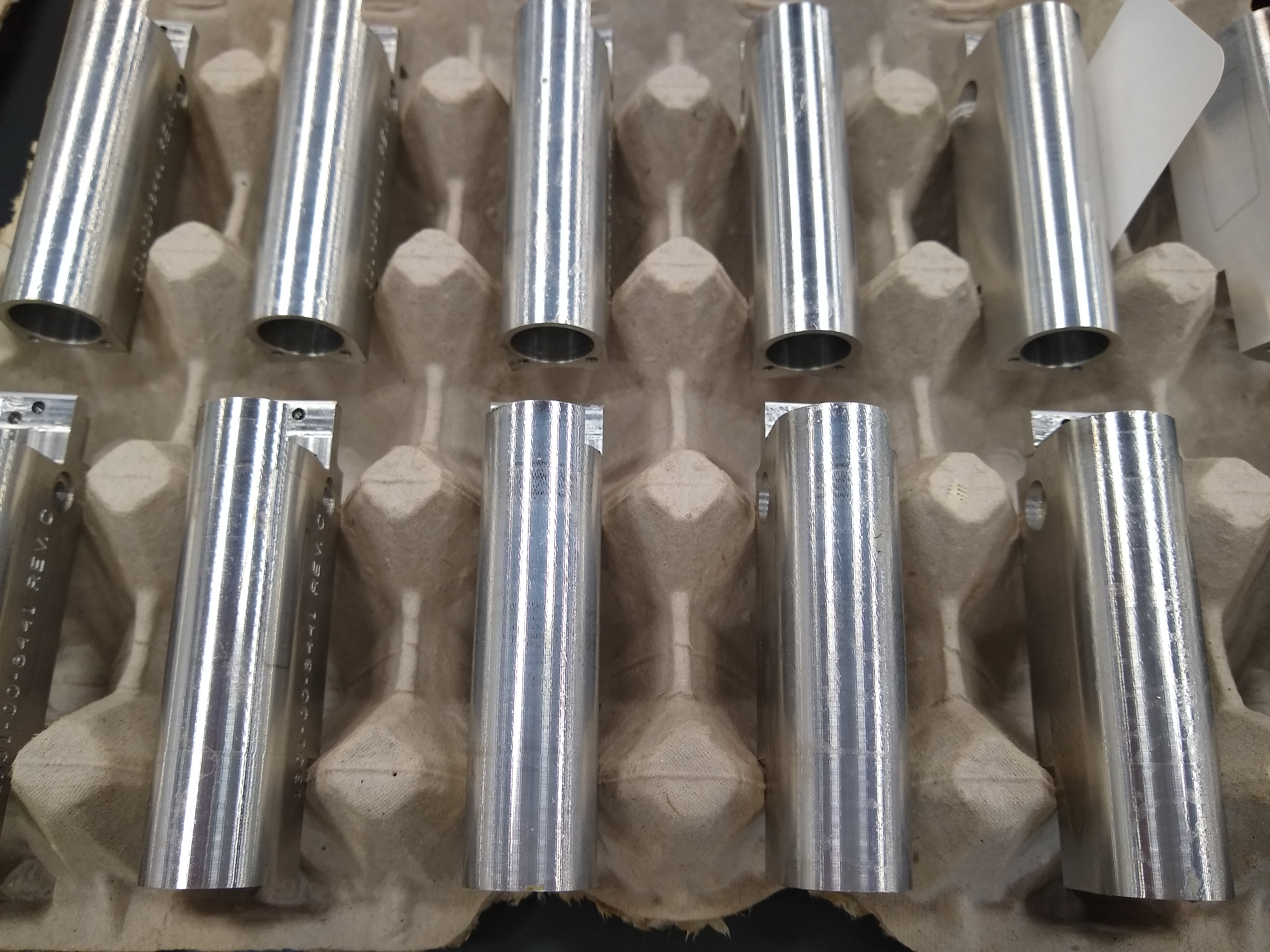
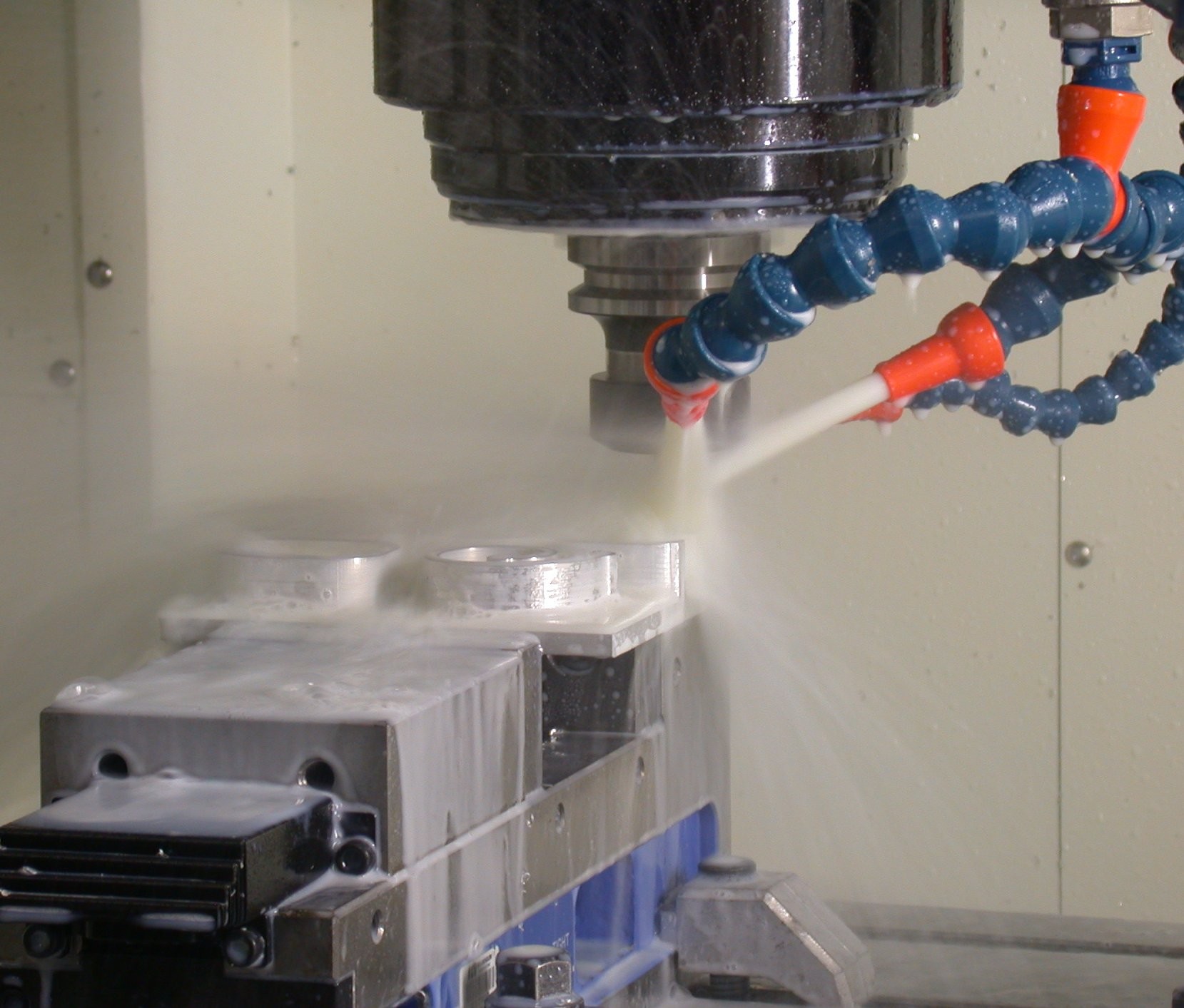
CNC machining is the route when the prototype must behave like the final material: real strength, clean interfaces, stable tolerance and visible edge quality. The case logic starts with DFM because a small radius, deep pocket or fixture decision can change both cost and reliability.
- Typical Parts
- Structural brackets, housings, fixtures, precision blocks and interface plates
- Routes
- CNC milling, turning, wire cutting, tapping, finishing and inspection
- Case Value
- Fit-critical geometry, real-material validation and stable assembly tolerance
Formative / Equal-Material Processing Case
Batch-like feel before the hard tooling decision.
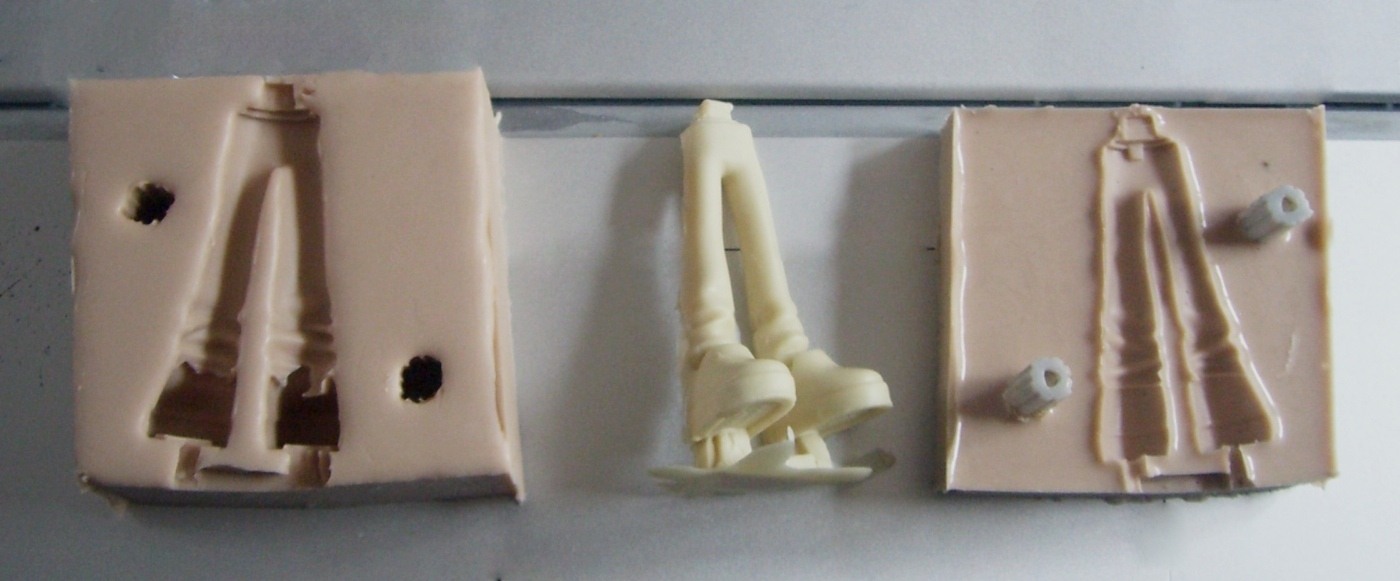
Vacuum casting, sheet metal forming and similar routes help teams evaluate shape, touch, wall behavior and small-batch appearance before committing to expensive tooling. The right case is not just fast; it gives the customer a believable preview of how the product will feel in hand.
- Typical Parts
- Soft-touch samples, enclosure shells, covers, bezels and formed brackets
- Routes
- Vacuum casting, silicone mold, sheet metal forming, inserts and painting
- Case Value
- Appearance validation, ergonomic review and pilot quantity consistency
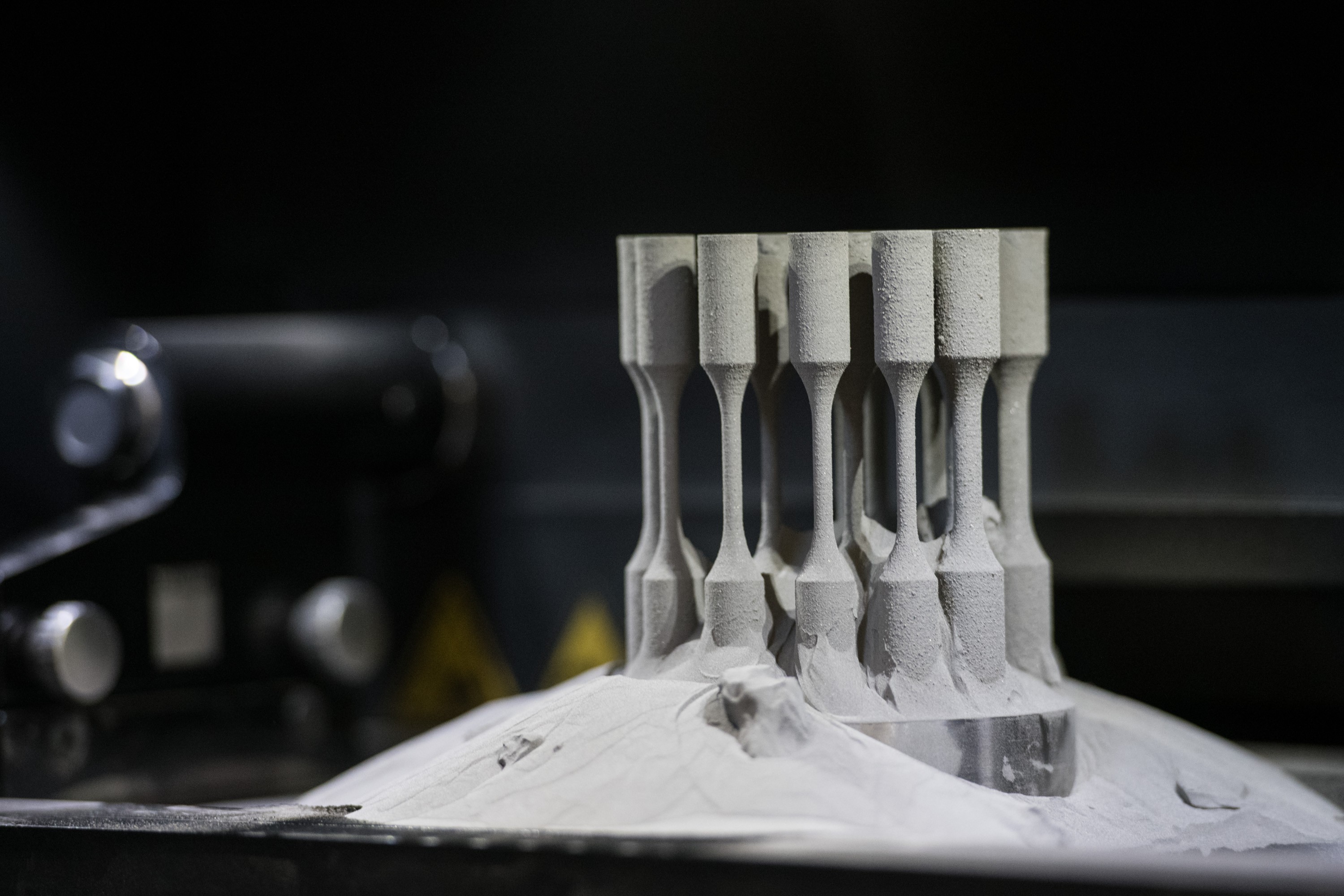
Additive Processing Case
Fast geometry validation while the design is still moving.
Additive routes are strongest when the question is geometry, iteration speed or internal complexity. Maker No.1 uses 3D printing as a design tool, then helps decide whether the next version should stay printed, move to CNC, or become part of a combined route.
- Typical Parts
- Complex housings, medical trial parts, internal channels, fixtures and quick mockups
- Routes
- SLA, SLS, SLM, post-curing, support removal, sanding and optional finishing
- Case Value
- Short iteration loops, complex forms and early assembly learning
Finishing + Assembly Case
A sample is not done until it looks, feels and assembles like the product.
Many prototype suppliers stop at the part. The more useful case is a finished sample: color, texture, transparent windows, inserts, fasteners, button feel and internal fit all working together well enough for customer review, investor demos or pilot feedback.
- Typical Parts
- Instrument enclosures, control panels, covers, buttons, lenses and assembled samples
- Routes
- Painting, plating, anodizing, texture matching, logo application, inserts and assembly
- Case Value
- Looks-like and works-like review before the product leaves prototype mode
Capability Matrix
How different case types use the same manufacturing base.
Confidential by Default
Good cases protect the customer as much as they prove the capability.
For medical, aerospace-grade, robotics and inspection projects, customer identity and part geometry may be more sensitive than the manufacturing process itself. We keep public cases intentionally generic until a customer approves the details.
From Case to Quote
Send the part, not a perfect brief.
Have a Similar Part?
Send us your design. We'll tell you how to make it right.
Free DFM feedback with every quote. English-speaking engineers. NDA before you share a thing.